Mandatory FRA Certification Is Coming — What the MHCLG Consultation Means for You
Mandatory certification, restricted assessment rights for certain buildings, a central register, a code of conduct, fees and sanctions — they're all on the table. The consultation closes at 11:59pm on 18 June 2026. If you do this work for a living, this is the document that will shape your next five years.
This article walks through what's actually being proposed, what it likely means for your practice, and why responding to the consultation directly is the most effective thing you can do this month.
What MHCLG is consulting on
The consultation, published on 26 March 2026, delivers Grenfell Tower Inquiry Phase 2 Recommendation 26, which called on government to "establish a system of mandatory accreditation to certify the competence of fire risk assessors." The government accepted that recommendation in full. This consultation is how it gets built.
The headline is straightforward: the Fire Risk Assessor role is going to become a regulated profession in law, sitting within the new Single Construction Regulator framework alongside fire engineering reform. The consultation seeks views across six main areas:
- A legal definition of the Fire Risk Assessor role and what work it covers
- Whether responsible persons should still be allowed to assess their own premises
- A single competency framework, very likely tiered along the lines of BS 8674
- Mandatory certification through UKAS-accredited certification bodies
- A mandatory professional code of conduct, with a regulator empowered to sanction breaches
- Career pathways including apprenticeships, plus a route for existing proficient workers
None of this is law yet. The government has said it will "seek to legislate when parliamentary time allows" — which in practice means primary legislation in the next parliamentary session at the earliest, with secondary legislation and detailed standards filling in the detail afterwards. But the direction of travel is now unmistakable.
The case for change MHCLG is making
The consultation document is unusually candid about why this is happening. Three pieces of evidence get cited repeatedly.
First, Dame Judith Hackitt's 2018 review found that fire risk assessments "often consist of little more than a 'tick box' exercise undertaken by someone without demonstrable competence of fire safety."
Second, the Home Office's 2023 survey of Fire Risk Assessors — the first systematic look at the workforce — found that only 46% of respondents belonged to a certification or registration scheme, and 50% had undertaken no formal refresher training. The demographics were also striking: 87% male, 65% aged 50 or older, and only 8% under 35.
Third, the Grenfell Tower Inquiry Phase 2 report found that the Assessor appointed by the Kensington and Chelsea TMO had misrepresented his experience and qualifications — some of which he had invented — and that despite London Fire Brigade raising concerns about his competence, the TMO continued to rely on him uncritically. The inquiry concluded the absence of any quality-assurance process made the danger more acute.
Read those three things together and the policy logic is hard to argue with. The question is what the regulatory response actually looks like, and that's where the consultation is genuinely open.
What the proposals likely mean for your practice
A few things are worth taking seriously now, not when legislation lands.
Certification will become the price of entry. The consultation proposes that all individual Fire Risk Assessors, or the organisations employing them, should be certified to practice. Currently only two UKAS-accredited bodies certify Assessors in the UK. That number will need to grow, and the criteria for certification will be standardised. If you aren't currently certified through BAFE SP205 or an equivalent route, the question is how quickly you can credibly get there.
Restrictions on responsible-person self-assessment look highly likely for higher-risk buildings. MHCLG's initial position is that, at minimum, premises meeting the Building Safety Act 2022 definition of a higher-risk building — 18 metres or seven storeys with two or more residential units — should require a certified professional. The consultation asks whether this should extend to other premises judged "high potential risk to life safety". Care homes, places of detention, and complex licensed premises are all plausible candidates.
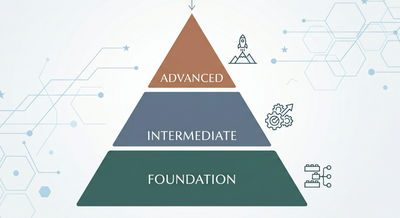
The framework will almost certainly be tiered. BS 8674's Foundation / Intermediate / Advanced structure is referenced approvingly throughout the consultation, and the Institution of Fire Engineers has already launched a new suite of Level 3 and Level 4 FRA qualifications mapped directly to those tiers, with first exams in October 2026. The likely shape: each tier mapped to building types and complexity, certification tied to qualification plus evidenced experience, recertification on a fixed cycle, and CPD requirements made enforceable.
A code of conduct will become enforceable. The consultation is explicit that competence is not just technical — declared conflicts of interest, duty to escalate, and professional behaviour will be enforceable through the regulator. The example MHCLG cites is the commercial conflict where an assessor or their firm stands to benefit financially from the recommendations they make. Worth thinking now about how you'd evidence independence if challenged.
A central register will become public-facing. Proposed register fields include qualifications, certification status, expiry dates, and — controversially — previous professional breaches and sanctions, potentially accessible publicly. Whatever your view on that, every assessment you produce from here on is part of your evidence base if you're ever asked to demonstrate competence retrospectively.
There will be fees. The regulator will be funded, at least in part, by registration and certification fees charged to Assessors. The scale is not yet known, but it's a real cost line to plan for.
What about existing proficient workers
If you've been doing this work for years and haven't pursued formal certification, the consultation is clear that you matter to MHCLG. There will be a "grandfather route" for proficient existing workers — a pathway that allows demonstrated skills, knowledge, experience and behaviours to be mapped against the new framework without requiring you to sit qualifications from scratch.
The consultation asks which criteria should be used to admit people to that route: years of experience, number of assessments completed, complexity of those assessments, professional memberships, and evidence of CPD are all on the proposed list. If that route matters to your practice, the consultation is the moment to influence what's on it and how it's evidenced.
How to actually respond
You can respond online via the GOV.UK consultation page, or by email to FireSafetyUnitconsultations@communities.gov.uk. The full questionnaire runs to over 60 questions, but you don't need to answer all of them — focus on the ones that affect your practice most directly.
A few points on making a response that counts:
- Be specific about practical impact. Generic agreement or disagreement adds little. Concrete examples from real assessments carry weight. If you're explaining why a particular tier definition would or wouldn't work, give a building type and explain why.
- Surface the issues that aren't being talked about. The interaction between FRA certification and BAFE SP205, the cost of recertification for sole traders, how the proficient-worker route should treat people who specialise in one premises type — these are the questions practitioners will see things that policy teams won't.
- Bring evidence where you have it. If you can quantify report volumes, training hours, or how long it takes to bring a new assessor to a particular tier, those numbers help.
Responses close at 11:59pm on 18 June 2026. If you're going to do it, do it in the next few weeks rather than the final fortnight — the responses that arrive early tend to get read more carefully.
How FireCheckr fits in
Whichever shape this regulation eventually takes, the direction is clear: assessors will need to demonstrate competence with evidence, not just claim it. Standards-aligned templates, structured outputs, and a complete audit trail behind every report are part of how that evidence gets built. FireCheckr is designed around that principle — your AI writing partner organises your professional observations into compliant, defensible reports, while keeping you in control of every judgement. To see how it works in practice, book a demo at firecheckr.co.uk/book.
Related articles

The Golden Thread: Why It Matters for Fire Risk Assessors, Not Just Building Owners
BS 8674:2025 — What the New Competency Framework Actually Means for Your Practice